Privacy by design is no longer just a legal requirement or compliance exercise. As digital products collect more data and consumers become increasingly aware of how their information is used, product designers have a growing responsibility to build experiences that prioritize transparency, control, and trust.
For years, privacy was often treated as something added at the end of a product cycle. A legal team reviewed the copy, a cookie banner was added, a privacy policy was linked in the footer, and the product moved forward. But that approach no longer matches how people experience digital products today.
Users are not only asking whether a product works. They are asking what information it collects, why it needs that information, how it will be used, and whether they can change their mind later. These questions are not separate from user experience. They are part of the experience.
Privacy by design turns privacy from a hidden policy into a visible product experience.
What Privacy by Design Means for Product Designers
Privacy by design means privacy is considered from the beginning of product planning, not patched in after launch. It asks product teams to think about data collection, consent, security, transparency, and user control before an interface is finalized.
For product designers, this changes the responsibility of the work. A designer is not only responsible for making a flow usable. They also need to ask whether the flow is understandable, respectful, and trustworthy.
If a product asks for personal information, the interface should explain why. If a user is asked to consent, the choice should be clear. If the product offers privacy settings, those settings should be easy to find and easy to understand.
Apple Privacy Settings: Making Control Discoverable
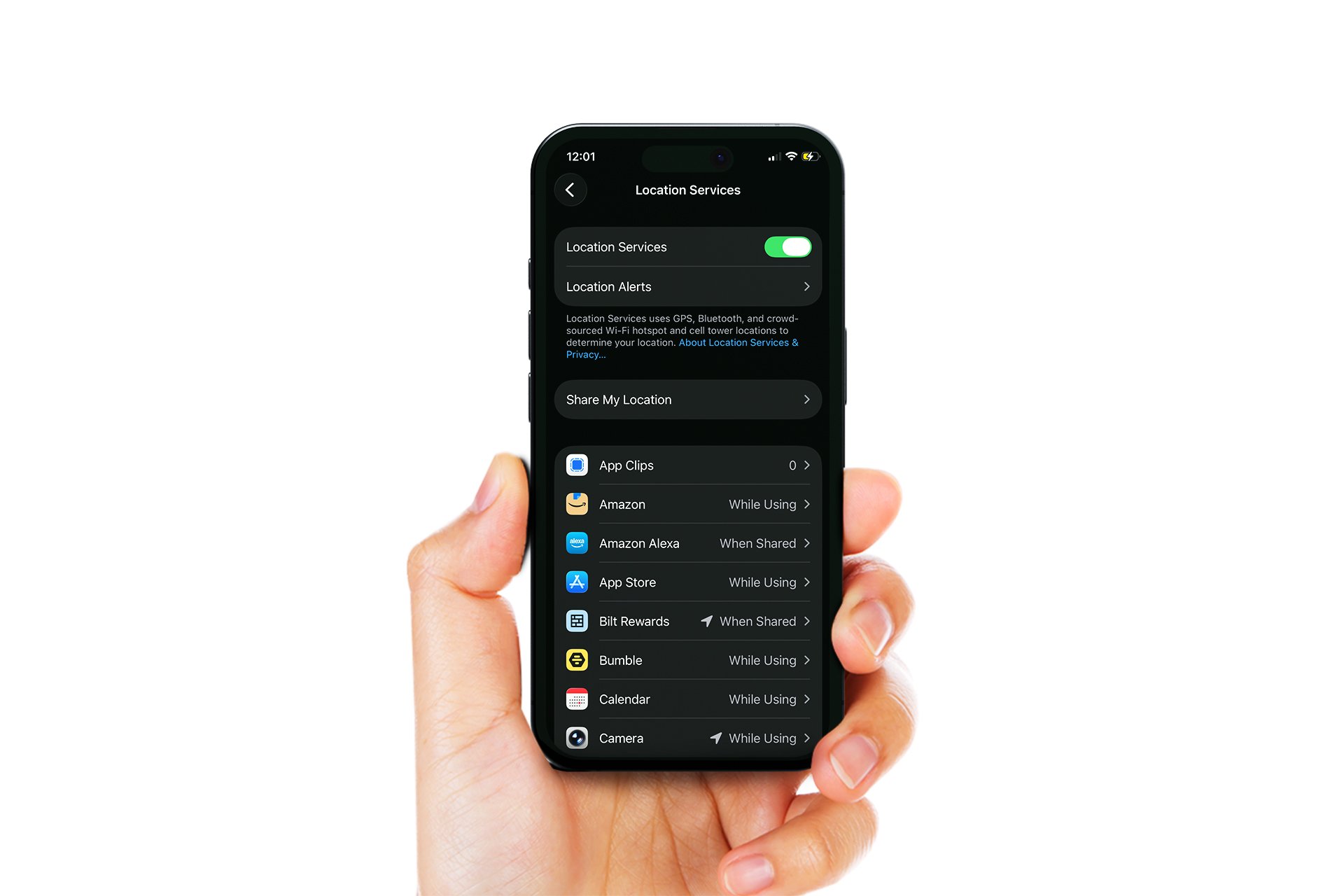
Apple is one of the clearest examples of privacy becoming part of product design. Its Privacy and Security settings show how complex permissions can be organized into a structure people can actually understand.
Instead of forcing users to interpret long privacy policies, Apple groups privacy controls into familiar categories such as Location Services, Contacts, Photos, Microphone, Camera, and Tracking. This matters because privacy controls are only useful if people can find them, understand them, and act on them.
A privacy setting buried five levels deep may technically exist, but it does not create meaningful user control. Good privacy design makes the right action visible at the moment the user needs it.
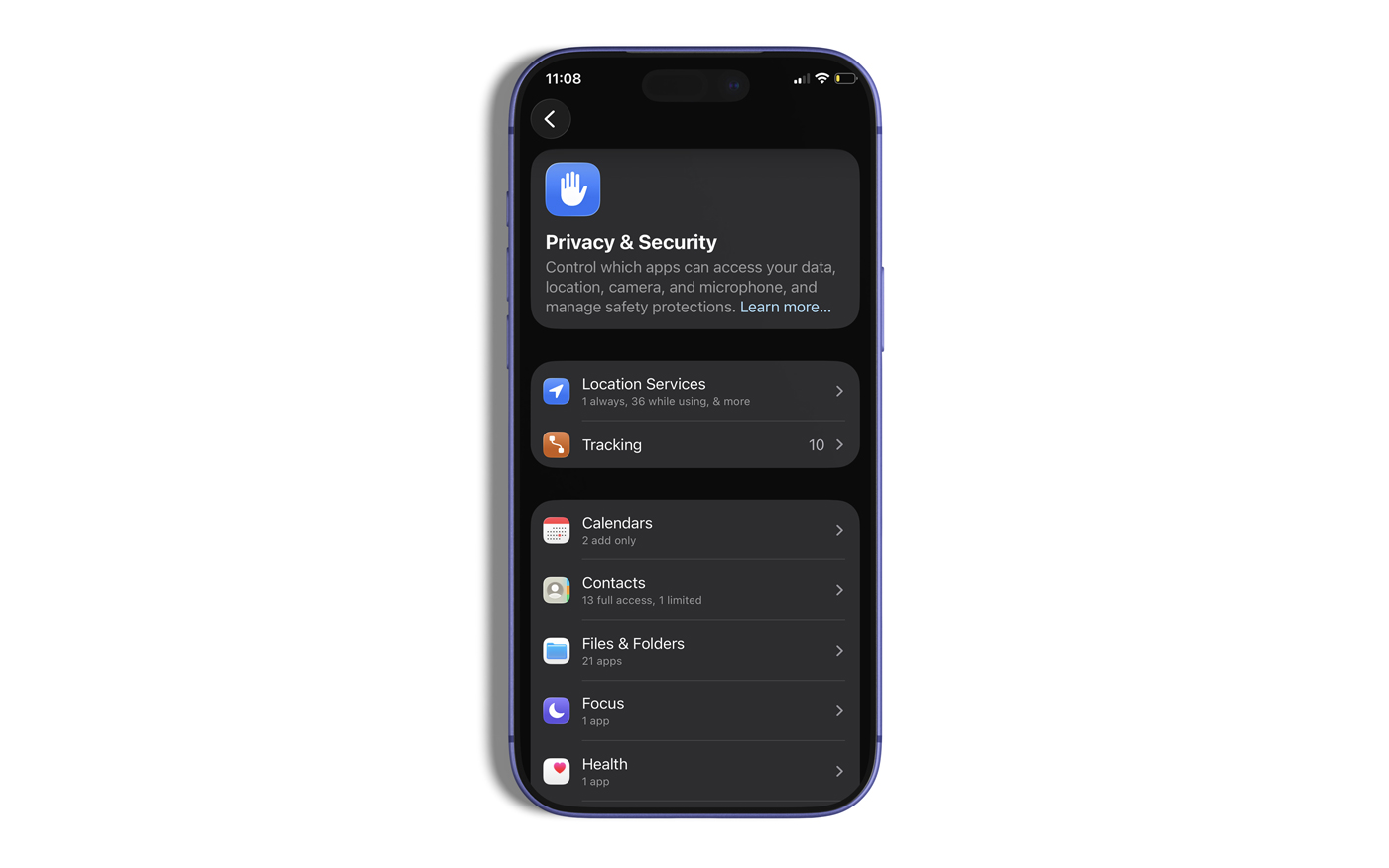
Apple’s Privacy & Security settings demonstrate how privacy controls can become discoverable, understandable, and integrated directly into the product experience.
Privacy Is Also an Information Architecture Problem
Many privacy experiences fail because they are designed like legal archives instead of product experiences. Users are given too much information, too little hierarchy, and no clear path to action.
Product designers can improve privacy experiences by applying the same principles used in strong product flows: clear labels, grouped actions, contextual explanations, progressive disclosure, and accessible language.
This is where privacy becomes part of product craft. A well-designed privacy experience does not overwhelm users with every possible detail at once. It helps them understand what matters, why it matters, and what they can do next.
Privacy controls only build trust when people can find them, understand them, and use them.
Apple Passkeys: Security Without Extra Friction
Apple Passkeys show another important side of privacy by design: secure authentication can be easier for users, not harder. Instead of asking people to create, remember, and manage passwords, passkeys allow users to sign in using Face ID, Touch ID, or a device passcode.
This is important because security is often associated with friction. More codes, more recovery questions, more warnings, and more password rules can make an experience feel stressful. Passkeys point toward a different future, where stronger security can also feel simpler.
For product designers, authentication should not be treated as a technical doorway users must survive before reaching the product. Authentication is part of the customer journey. It is often the first trust moment a returning user experiences.
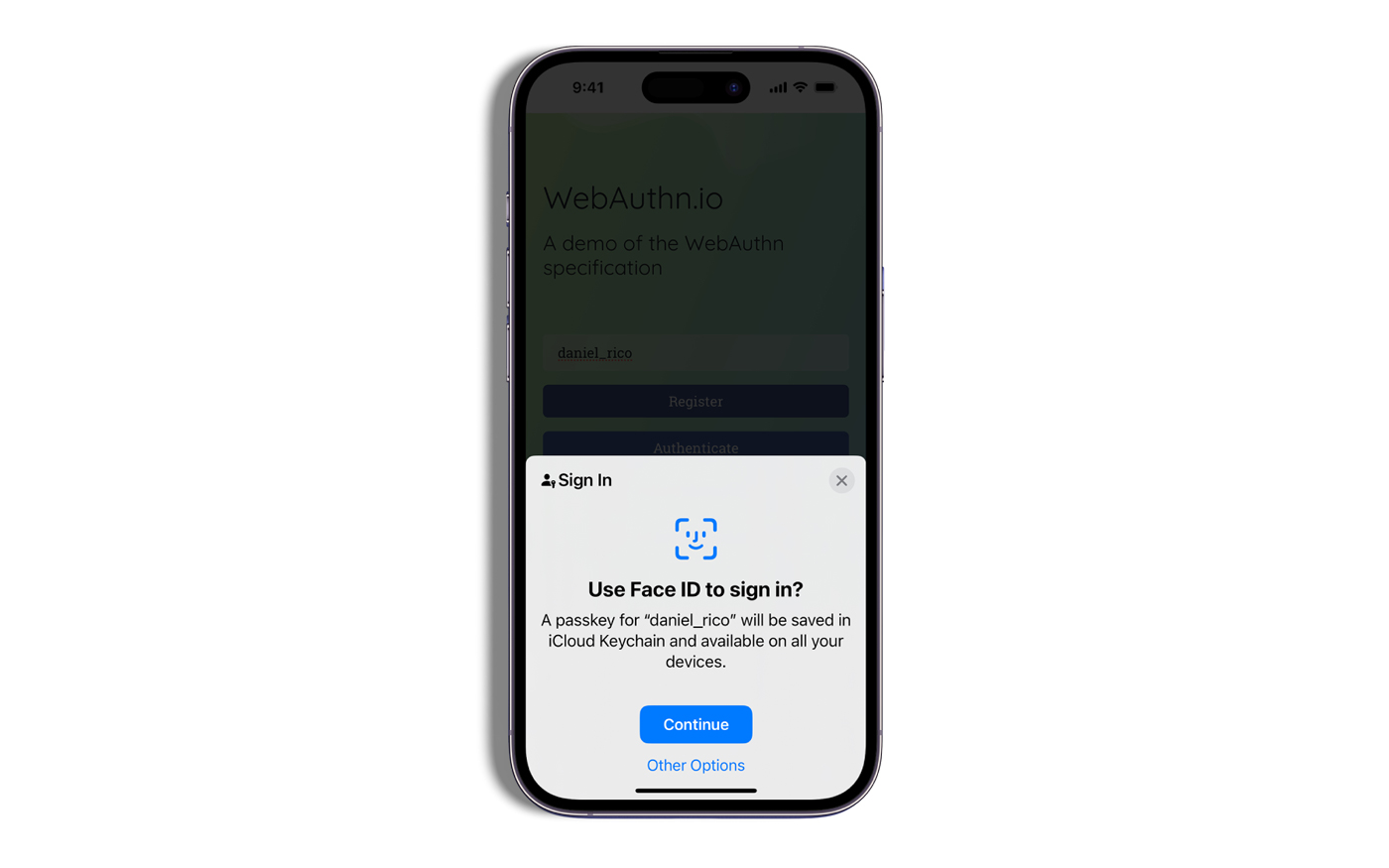
Apple Passkeys simplify authentication by replacing traditional passwords with Face ID, creating a more secure and user-friendly experience.
Why Authentication Is a Privacy Experience
Authentication is often discussed as a security topic, but it is also a privacy and trust experience. When users sign in, recover an account, approve access, or verify identity, they are making a decision about whether the product feels safe enough to continue using.
Poor authentication design can make users feel locked out, confused, or suspicious. Strong authentication design creates confidence. It explains what is happening, why verification is needed, and how the user can complete the task without unnecessary stress.
This is especially important for products that operate at scale. Streaming platforms, financial products, healthcare tools, telecom apps, marketplaces, and subscription services all depend on account access, identity, payment, consent, and trust. These are not secondary flows. They are foundational product experiences.
What Product Designers Can Learn from Apple
Apple’s privacy experiences are effective because they turn abstract privacy principles into visible product patterns. Privacy is not only explained through marketing language. It is represented through settings, prompts, authentication flows, permission controls, and system-level choices.
The lesson for product designers is not to copy Apple’s interface. The lesson is to understand the principles behind the design.
Why AI Makes Privacy by Design More Important
Artificial intelligence adds a new layer of complexity. AI-powered products often depend on personalization signals, behavioral patterns, prompts, user history, recommendations, or automated decision-making. That means privacy decisions need to happen even earlier in the product lifecycle.
A product team building with AI should not wait until launch to ask privacy questions. Designers, product managers, engineers, legal teams, and security partners should define what data is needed, how it will be used, what users need to understand, and where human control should remain visible.
From a design perspective, AI privacy is not only about a policy. It is about expectation-setting. Does the user know when AI is involved? Do they understand what information is being used? Can they opt out? Can they correct or delete information? Can they challenge or override an automated outcome?
In the age of AI, privacy by design is not only about protecting data. It is about protecting user confidence.
Questions Product Designers Should Ask
Product designers do not need to become privacy lawyers, but they do need to become stronger partners in privacy-related conversations. Every product decision that involves identity, personalization, consent, authentication, or data collection should include thoughtful design questions.
Privacy Is Becoming Part of Product Craft
The best digital products are no longer judged only by speed, usability, or visual polish. They are also judged by how responsibly they handle trust. Privacy by design gives product teams a framework for making that trust intentional.
Apple’s privacy settings and passkey experiences show how privacy can become visible, understandable, and useful inside the product itself. Privacy settings support control. Passkeys simplify secure access. Together, they show that privacy and usability can support each other.
For product designers, this is a major opportunity. Privacy experiences are often complex, emotional, and highly cross-functional. They involve legal requirements, security needs, technical constraints, business goals, and real user concerns. That is exactly why design matters.
Privacy by design is not about adding more friction. It is about creating products where people understand what is happening, feel respected by the system, and trust the company behind the experience.
The future of product design belongs to experiences that are not only usable, but trustworthy.