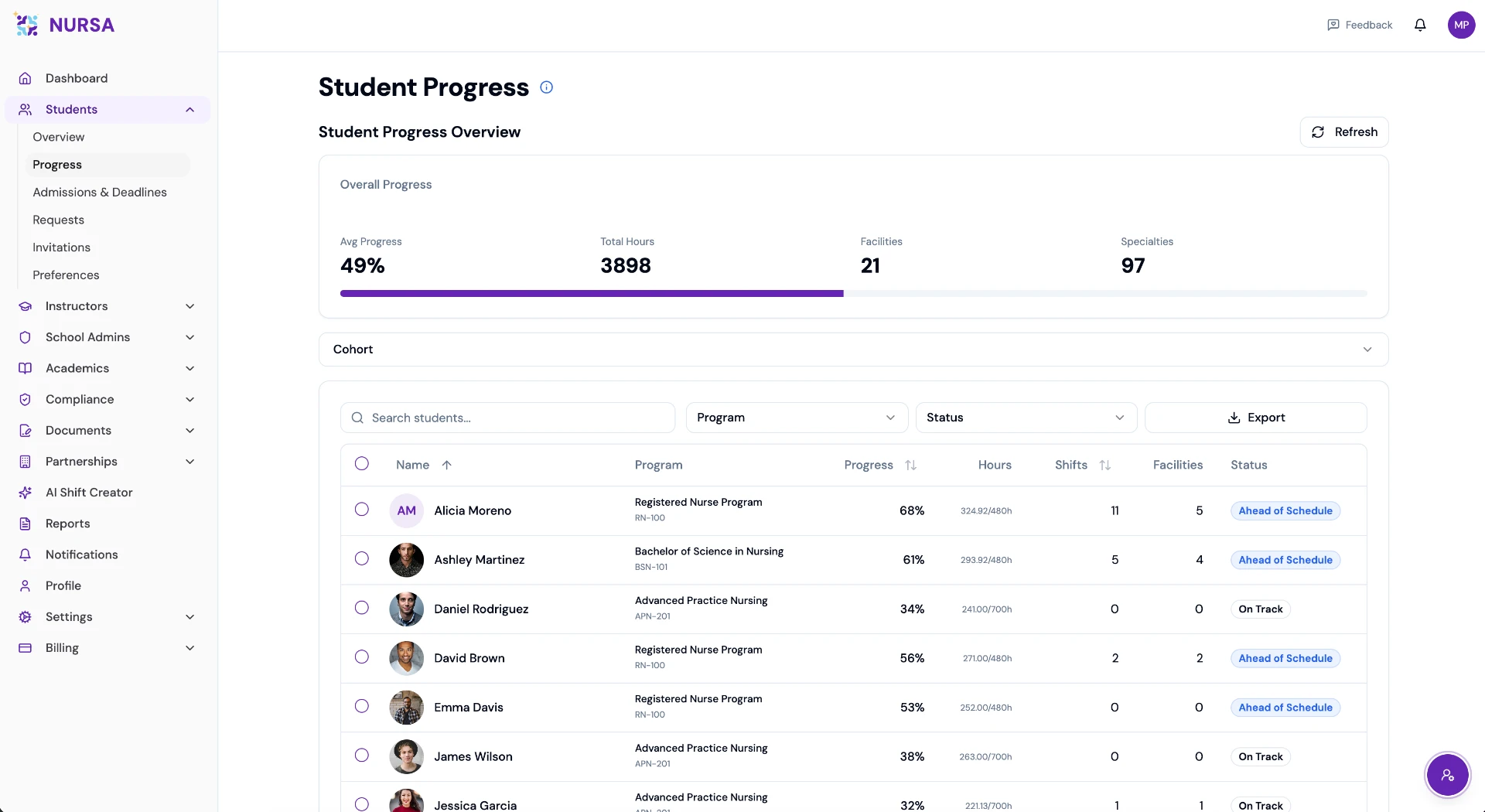
Product teams today have access to more analytics than ever before. Dashboards, product metrics, behavioral tracking, and AI insights can reveal how people interact with digital products at scale. But numbers alone rarely explain the full story behind user behavior.
Many organizations aim to become data-driven. The idea sounds simple: use metrics to guide product decisions instead of relying on opinions. In practice, interpreting product data requires more than simply reacting to numbers.
A more effective approach is data-informed design. Instead of assuming metrics provide direct answers, teams use analytics as one input among many. Data becomes the beginning of investigation rather than the final explanation.
What product data actually reveals
Analytics highlights moments where something interesting happens in the experience. It can show where users hesitate, where flows break down, or where engagement unexpectedly increases or decreases. These insights help teams focus attention on parts of the product that deserve deeper exploration.
However, metrics rarely reveal motivation. A drop-off rate might indicate confusion, frustration, distraction, or simply a change in context. Numbers can show what happened, but understanding why requires interpretation.
Data shows what users do. Understanding why they do it requires interpretation.
This is why experienced product teams treat analytics as a starting point for deeper thinking rather than a conclusion.
Data-driven vs data-informed thinking
A purely data-driven mindset assumes metrics should directly determine decisions. If engagement increases, the change is considered successful. If it drops, teams attempt to optimize it immediately.
A data-informed approach takes a broader perspective. Metrics are interpreted alongside research, product knowledge, and context. Instead of reacting instantly, teams ask deeper questions about what the data might represent.
Data-informed: metrics guide investigation and better questions.
Why better questions matter
Many product discussions begin with analytics dashboards. Stakeholders notice a change in a metric and quickly try to explain it. Without structured thinking, these conversations often jump directly to assumptions about user behavior.
Asking better questions slows the process just enough to improve clarity. Teams begin exploring alternative explanations, considering user goals, and examining assumptions behind their interpretations.
Over time, this habit leads to stronger product decisions and more thoughtful design outcomes.
A quick example
Imagine an e-commerce team notices that the checkout completion rate drops by 8% after a new release. The immediate assumption might be that the new checkout design introduced friction.
However, a data-informed approach encourages the team to pause before drawing conclusions. The drop could have multiple explanations. Perhaps a new traffic source brought visitors with lower purchase intent. Maybe shipping costs became visible earlier in the flow. Or users could be comparing prices before committing.
Looking at where users abandon the checkout, comparing behavior across devices, reviewing recent product changes, and combining analytics with user research or session recordings.
Instead of reacting immediately to the metric, the team uses data as the starting point for deeper understanding. This is where structured questions can help guide the conversation.
Download the Data-Informed UX Prompt Pack
To make this approach practical, I created a free prompt pack for designers and product teams working with analytics and product metrics.
The guide contains structured prompts you can use when reviewing product metrics, discussing product performance, evaluating AI recommendations, or planning research. Instead of reacting immediately to numbers, these prompts help teams explore multiple explanations behind user behavior.
Use them during product reviews, design critiques, analytics discussions, or research planning sessions to bring deeper thinking into product decisions.
Final thought
Product metrics reveal what is happening in a digital experience, but understanding their meaning requires context, judgment, and thoughtful interpretation. Data-informed design combines analytics with research, product knowledge, and critical thinking so teams can build better experiences for real users.